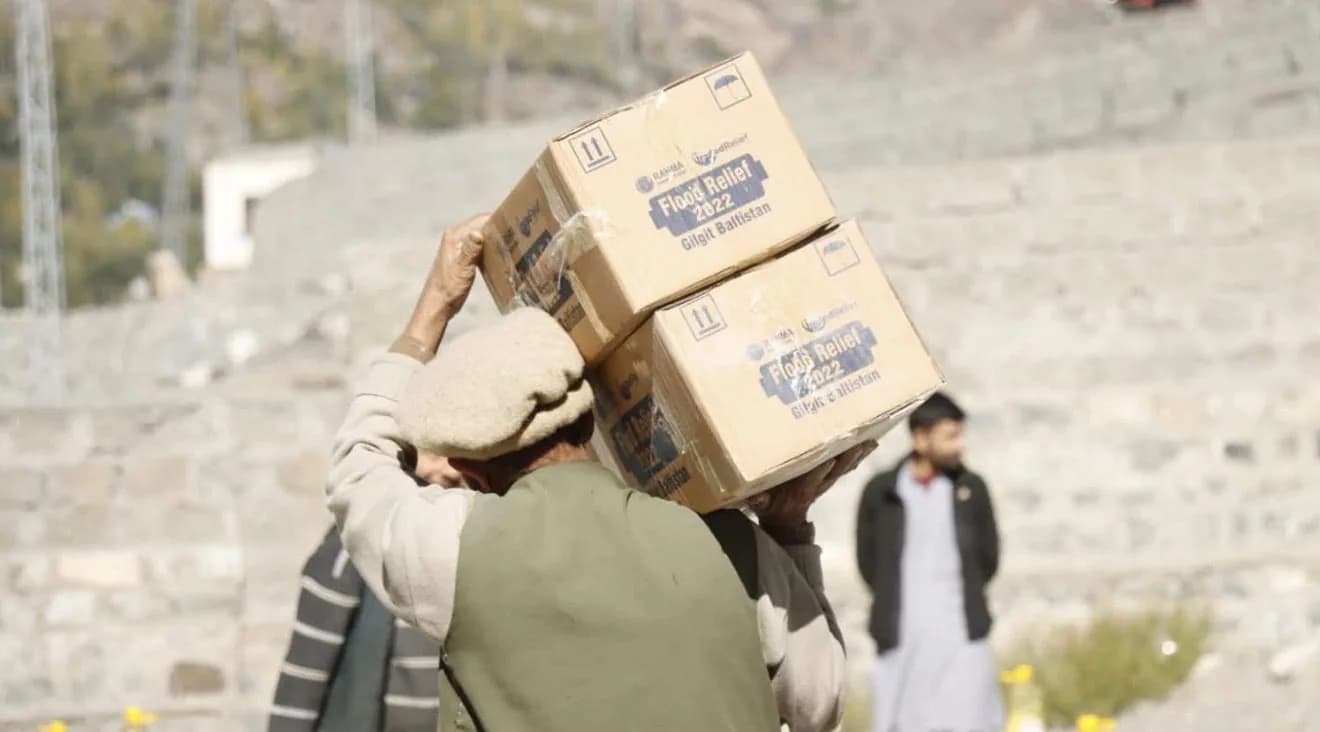
Food parcels ready beside a camp outside Mogadishu, Somalia.
Somalia · Ramadan 2025 · From Imdad’s humanitarian work
One of the five pillars of Islam

Zakat al-Mal

Your annual Zakat on qualifying wealth. The full amount supports Zakat-eligible purposes.

مَا نَقَصَتْ صَدَقَةٌ مِنْ مَالٍ

Charity does not diminish wealth.

Sahih Muslim 2588 · excerpt, brief rendering of the meaning
In plain language

What is Zakat al-Mal?

Zakat al-Mal is the annual Zakat on wealth and one of the five pillars of Islam. It is an amanah: a trust and a right owed to those in need.

2.5% of all net Zakatable wealth when the annual condition is met and nisab is reached. Nisab is not deducted.

Our Zakat al-Mal policy

100% of the amount supports Zakat-eligible purposes

Local knowledge and needs assessment identify Zakat-eligible recipients. Work is documented as far as safety, privacy and dignity allow.
This policy applies specifically to Zakat al-Mal. It is not a blanket claim that all fundraising has no costs.
  • Zakat recorded separately
  • Zakat-eligible recipients only
  • No deduction for ordinary administration

Calculate your Zakat

All amounts in NOK.

Include only what you own on your Zakat date.

What should I include?Enter what you own on your Zakat date. Leave fields that do not apply blank. Add your cash and bank balances. Do not include future wages. Enter each amount once. Do not repeat money already included in your bank balance.
Net wealth—

Loading price basis …

Prices, method and sources

Price basis

Prices per gram of pure gold and silver determine the nisab threshold and the metal value when you enter a weight.

Loading price basis …

Your entries are kept. The latest available price may be cached for up to five minutes.
About prices

Automatic spot prices are for today and are estimates, not guaranteed resale prices. For earlier dates use documented historical prices. Up to two decimals for amounts, weight and purity; four for gram prices.

Selected nisab

Nisab is the minimum threshold for Zakat. We compare your wealth after debt with this threshold.

Nisab is automatic: 612.36 g of silver for cash, silver and mixed wealth; 87.48 g of gold when gold is the only Zakatable asset. Your personal home and car are excluded.

Silver · 612,36 g

—

Button feedback
Sound is off. Vibration is used where supported and respects reduced motion.
Rules and scholarly sources
Hanafi-based · primarily referencing Abo Barirah’s guide

Main reference: Abo Barirah’s guide. This is Imdad’s interpretation, not endorsed by the institute. Carat calculation is a documented addition; uncertain cases need advice.

Agriculture, livestock, bad debts and previous years require separate assessment. Long-term investments need an assessed Zakatable portion.

This is Imdad’s selected calculation profile, not a unanimous rule or certification by the sources. Other scholarly views exempt worn jewellery or treat nisab and debt differently. Qur’an 9:60 and Imdad’s policy concern recipients and distribution.

Nisab is automatic: 612.36 g of silver for cash, silver and mixed wealth; 87.48 g of gold when gold is the only Zakatable asset. Your personal home and car are excluded.

Use one Islamic lunar year. Nisab is assessed at the start and end. A temporary drop below nisab does not automatically restart the year; losing all Zakatable wealth can. Resolve uncertain annual or insolvency circumstances before confirming Zakat is due.

2.5% of all net Zakatable wealth when the annual condition is met and nisab is reached. Nisab is not deducted.

Amounts in NOK. Your figures stay in this view and are not sent to Imdad. This is an indicative calculation.

hanafi-abi-guide-2026-10-26.1

About the calculation

In plain language

Use one Islamic lunar year. Nisab is assessed at the start and end. A temporary drop below nisab does not automatically restart the year; losing all Zakatable wealth can. Resolve uncertain annual or insolvency circumstances before confirming Zakat is due. 2.5% of all net Zakatable wealth when the annual condition is met and nisab is reached. Nisab is not deducted.

Who may receive Zakat?

Qur’an 9:60 describes eight recipient groups. Imdad assesses recipients through local teams and partners before funds are distributed.

See the eight recipient groups
  1. The poor

    Al-fuqara: people whose limited means do not allow them to meet their basic needs safely and consistently.

  2. People in need

    Al-masakin: people in severe financial hardship who lack essentials such as food, clothing or safe shelter.

  3. Those administering Zakat

    Al-amilina alayha: people formally entrusted with collecting, recording, safeguarding and distributing Zakat responsibly. Although this is one of the eight categories, Imdad does not use Zakat al-Mal funds for its ordinary administration or salaries.

  4. Those whose hearts are to be reconciled

    Al-muallafati qulubuhum: people who may receive support for reconciliation, belonging or reassurance in faith, following a qualified religious assessment.

  5. Freeing people from bondage

    Fi al-riqab: funds used to help free people from slavery, captivity or other severe forms of constraint. Contemporary application requires qualified assessment.

  6. People burdened by debt

    Al-gharimin: people with legitimate debts that they do not have sufficient means to repay and that place them in genuine hardship.

  7. In the cause of Allah

    Fi sabilillah: support for purposes understood to fall “in the cause of Allah”. Scholarly interpretations differ, so use must follow a clear and qualified Zakat policy.

  8. The stranded traveller

    Ibn al-sabil: a traveller who is stranded or cut off from their own resources and needs essential help to continue safely or return home.

The categories describe who may be eligible for Zakat. They do not mean that Imdad uses Zakat in every category in every period. Actual use depends on qualified assessment, documented needs and available programmes.

How we manage your Zakat

Zakat al-Mal at Imdad

Your Zakat in action

In northern Gaza, Imdad has provided Zakat al-Mal as cash assistance to families. In Pakistan, recipients have received sewing machines, tools and other equipment to earn a living. Support reflects people’s needs and the conditions of Zakat.

When a gift is marked as Zakat al-Mal, it is kept separate from other donations. Imdad does not deduct ordinary administration or salaries from this fund.

  1. The gift is identified

    Your donation is recorded specifically as Zakat al-Mal.

  2. Recipients are assessed

    Local knowledge and needs assessment identify Zakat-eligible recipients.

  3. Funds remain separate

    The amount is recorded and used within the Zakat al-Mal policy.

  4. The work is followed up

    Work is documented as far as safety, privacy and dignity allow.
Basis for the guidance

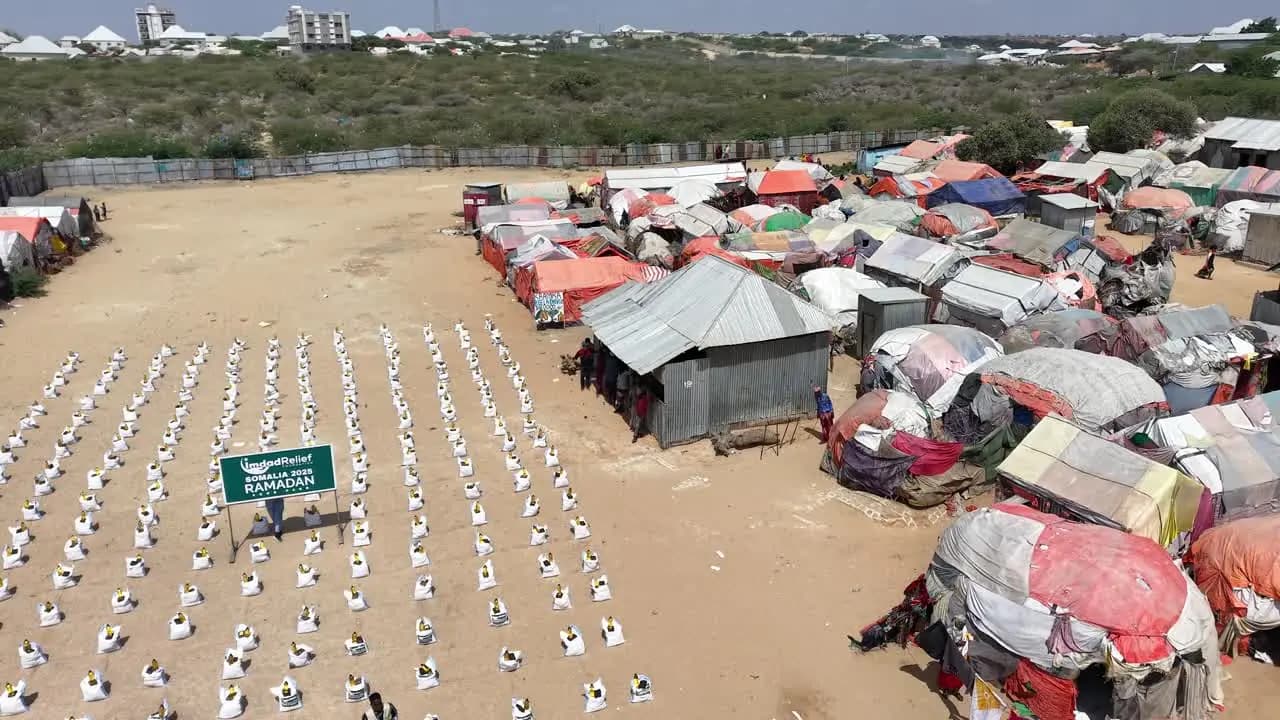
A person carrying relief packages during the flood response in Gilgit-Baltistan, Pakistan
From the Imdad Relief photo archive
From our work

Your Zakat in action

From support for families in Gaza to tools for earning a living in Pakistan. Earlier Zakat al-Mal projects shared by Imdad.

  • The video streams from Meta when you select Play video.
    PakistanZakat supporting livelihoods in PakistanSewing machines, tools and other equipment helped families earn a living. Recipients were assessed before distribution.
  • The video streams from Meta when you select Play video.
    GazaZakat al-Mal for families in northern GazaFamilies in northern Gaza received Zakat al-Mal as cash assistance to help meet their basic needs.